A Day for Rwanda at Tangen High School and a Visit to Arkivet Peace and Human Rights Center
During the 32nd Commemoration of the Genocide against the Tutsi, H.E. Ambassador Diane Gashumba undertook a series of engagements in Norway aimed at strengthening education, remembrance, and dialogue on peace and reconciliation initiated by Anders Mellerud and Egil Ellenes, teachers at Tangen High School with the support of the school’s leadership.
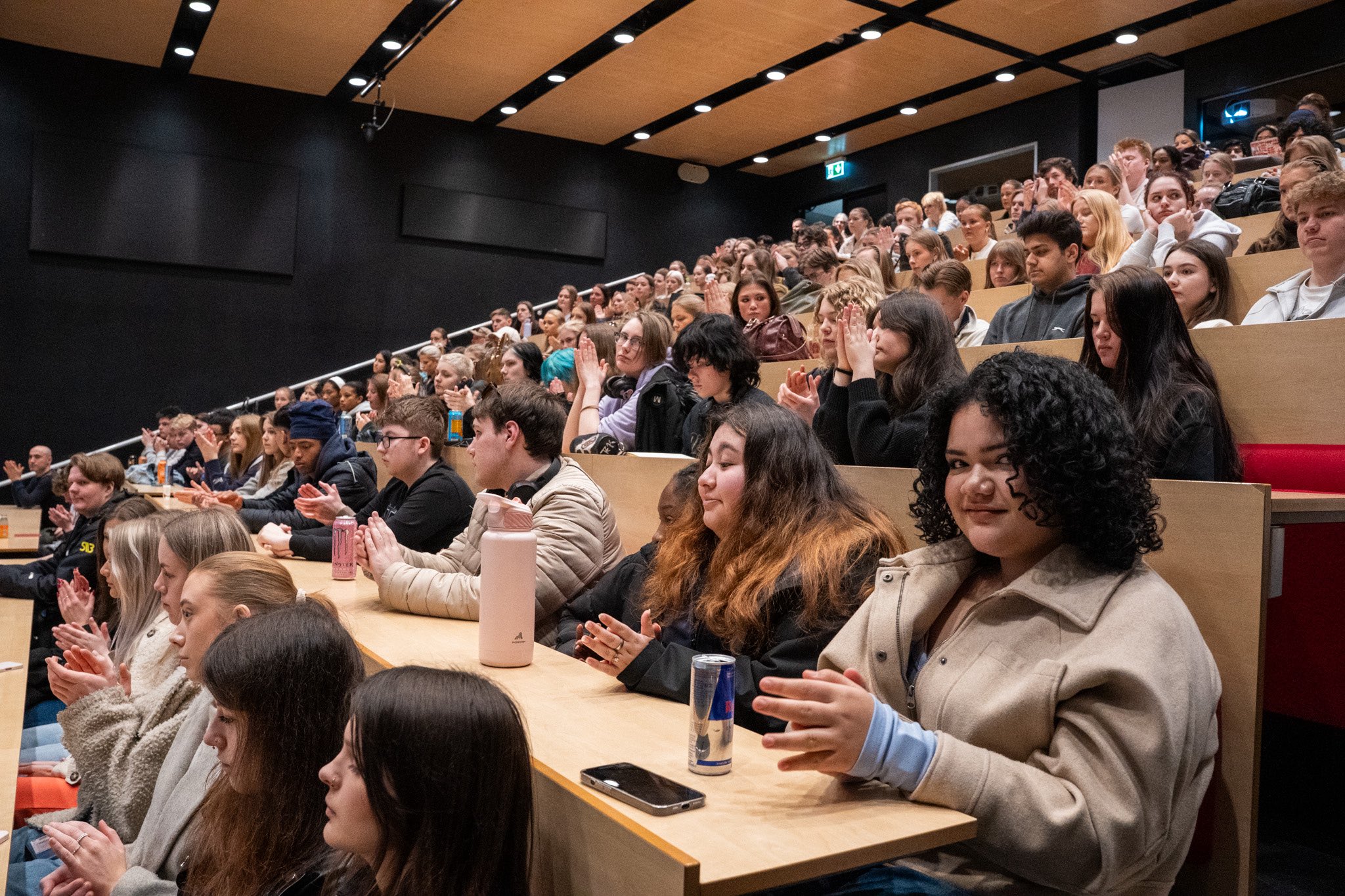
“A Day for Rwanda” at Tangen High School
At Tangen High School, the Ambassador participated in a special “Day for Rwanda” session with students who had recently traveled to Rwanda through an educational initiative facilitated by Ishami Foundation. The session brought together students, teachers, and members of the community, creating a platform for reflection, learning, and exchange.
Students shared powerful insights from their February visit to Rwanda, highlighting their engagement with the country’s history, culture, and ongoing journey of unity and reconciliation. Their reflections underscored the importance of experiential learning in shaping a deeper understanding of global issues, particularly genocide prevention and post-conflict recovery.
In her remarks, Ambassador Gashumba emphasized the importance of responsible freedom of expression, drawing a clear distinction between freedom of speech and hate speech. She highlighted Rwanda’s approach to safeguarding unity and reconciliation as essential pillars for sustainable peace, noting that societies must remain vigilant against narratives and ideologies that foster division.
Dialogue on Global Responsibility and Peacekeeping
The visit also included a session with the United Nations Association of Norway, where discussions focused on critical reflections surrounding the failure of the United Nations during the 1994 Genocide against the Tutsi. Participants explored key lessons from Rwanda’s experience, the evolving role of peacekeeping, and the continued relevance of the Responsibility to Protect (R2P) in today’s shifting global security and political landscape.
These exchanges provided an opportunity to connect historical reflection with contemporary policy discussions, reinforcing the importance of international cooperation in preventing future atrocities.
Visit to ARKIVET Peace and Human Rights Center
Ambassador Gashumba also visited the ARKIVET Peace and Human Rights Center, a site with a profound historical legacy. Originally established as a state archive in 1935, the building later became the Gestapo headquarters in Southern Norway during the Second World War, where many individuals were imprisoned, tortured, and killed. Today, ARKIVET stands as a leading institution dedicated to peace, memory, and human rights.
The visit offered a moment for reflection on Norway’s wartime history and its relevance to contemporary efforts in genocide prevention. As a research and educational center, ARKIVET plays a vital role in advancing knowledge on prisoner histories, countering extremism, and promoting democratic citizenship.
Through dialogue, education, and shared reflection, the visit reaffirmed the growing partnership between Rwanda and Norway, grounded in a common commitment to ensuring that the lessons of history continue to inform present and future action.
Topics

Harvesting Two Decades of Cooperation and Partnership: Rwanda and the Nordics

Sweden Launches New Development Cooperation Strategy for Rwanda 2026–2031
IMIZI YACU: Healing the Rwandan Family Tree Across the Nordic Countries
Embassy Visits Uppsala Centre for Holocaust and Genocide Studies, Exploring Pathways for Academic Collaboration

Seminar on Remembrance, Unity and Renewal Held at Umeå University
