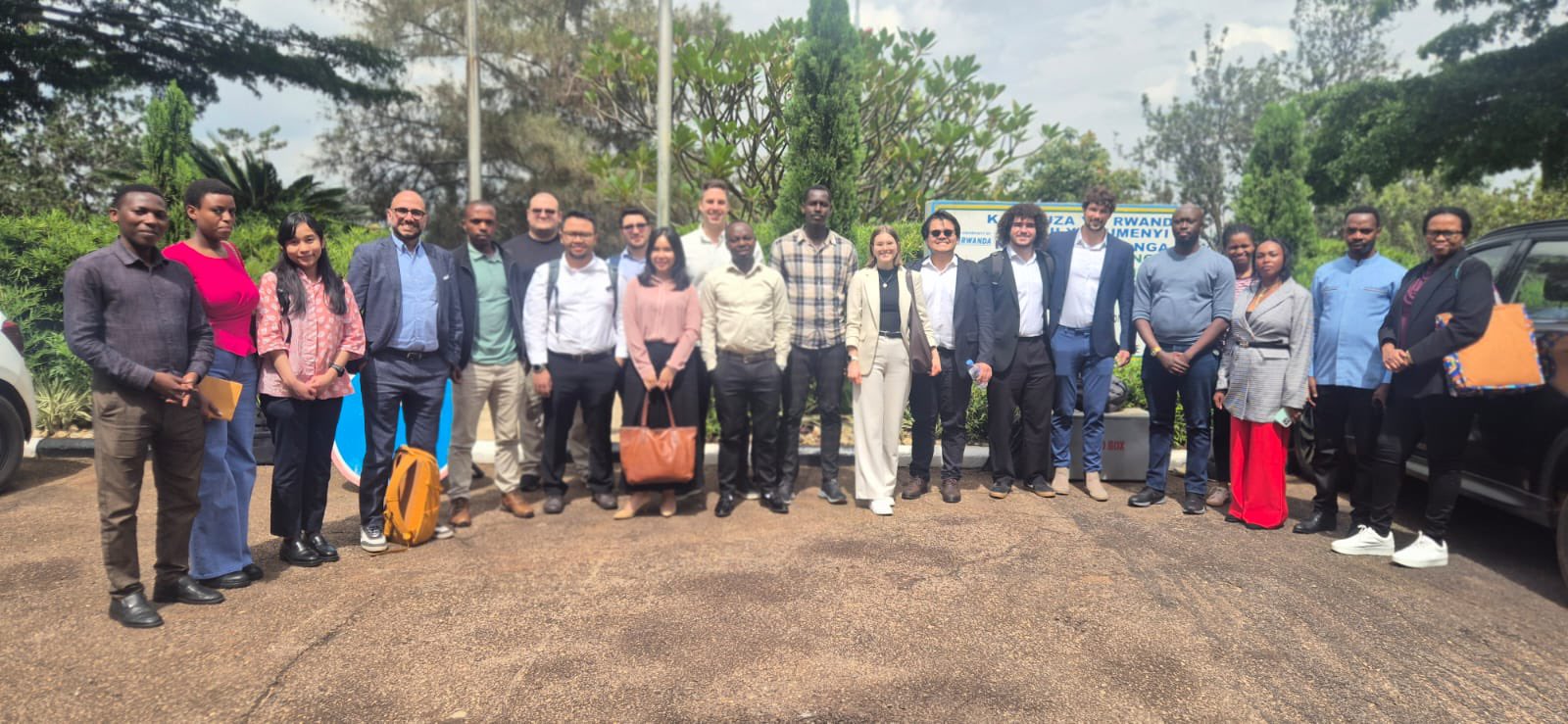
KTH and Rwandan Universities Advance Collaboration on Sustainable Energy Systems
As part of the Rwanda Nordic–Baltic Forum 2026, the KTH Royal Institute of Technology (Sweden) and Rwanda’s leading academic institutions convened a collaborative workshop at the University of Rwanda – College of Science and Technology to explore sustainable energy solutions for rapidly growing cities.
The workshop, titled “Sustainable Energy Systems for Growing Cities: KTH–Rwanda Collaboration Workshop,” brought together researchers, students, and policymakers to discuss innovative approaches to energy efficiency, urban infrastructure, and climate-resilient development.
The visit was led by Professor Hatef Madani, Professor of Energy Technology and Head of the Division of Applied Thermodynamics at KTH. Prof. Madani was joined by 11 master’s students from KTH, whose participation formed part of the university’s Energy Management course (MJ2511). During the 2025–2026 academic year, approximately 150 KTH students developed sustainable energy proposals in collaboration with the City of Kigali, addressing real-world challenges such as electrification, mobility systems, waste management, and resilient urban infrastructure.
As part of the Kigali visit, two winning student teams presented their proposed solutions, showcasing innovative ideas for improving energy systems in the city. The presentations provided an opportunity for dialogue and feedback from local experts, researchers, and policymakers.
The workshop brought together participants from:
- KTH Royal Institute of Technology
- University of Rwanda
- Rwanda Polytechnic
- City of Kigali
- The African Centre of Excellence in Energy for Sustainable Development (ACE-ESD)
The program featured presentations on Rwanda’s research priorities in sustainable energy, applied research, and TVET initiatives, as well as Kigali’s urban development challenges. These discussions were followed by a roundtable session focused on identifying opportunities for joint research, academic exchanges, and collaborative innovation projects between Swedish and Rwandan institutions.
The event reflects the growing academic and innovation partnership between Rwanda and the Nordic region, particularly in areas aligned with Rwanda’s national priorities on sustainable urbanization, climate resilience, and energy transition.
Expected outcomes from the workshop include the development of joint research initiatives, expanded student and staff exchanges, and deeper collaboration between universities, industry partners, and public institutions working to advance sustainable energy systems.
The visit of KTH students , and faculty supported by KTH and the City of Kigali also formed part of the broader engagements taking place during the 2nd Rwanda Nordic–Baltic Forum (9–11 March 2026), which aimed to strengthen cooperation between Rwanda and the Nordic and Baltic regions in areas including education, innovation, trade, and sustainable development.
Through partnerships such as this, Rwanda continues to position itself as a regional hub for innovation, research collaboration, and sustainable urban development, while fostering long-term academic partnerships that support the next generation of engineers, researchers, and climate leaders.
Topics

Harvesting Two Decades of Cooperation and Partnership: Rwanda and the Nordics

Sweden Launches New Development Cooperation Strategy for Rwanda 2026–2031
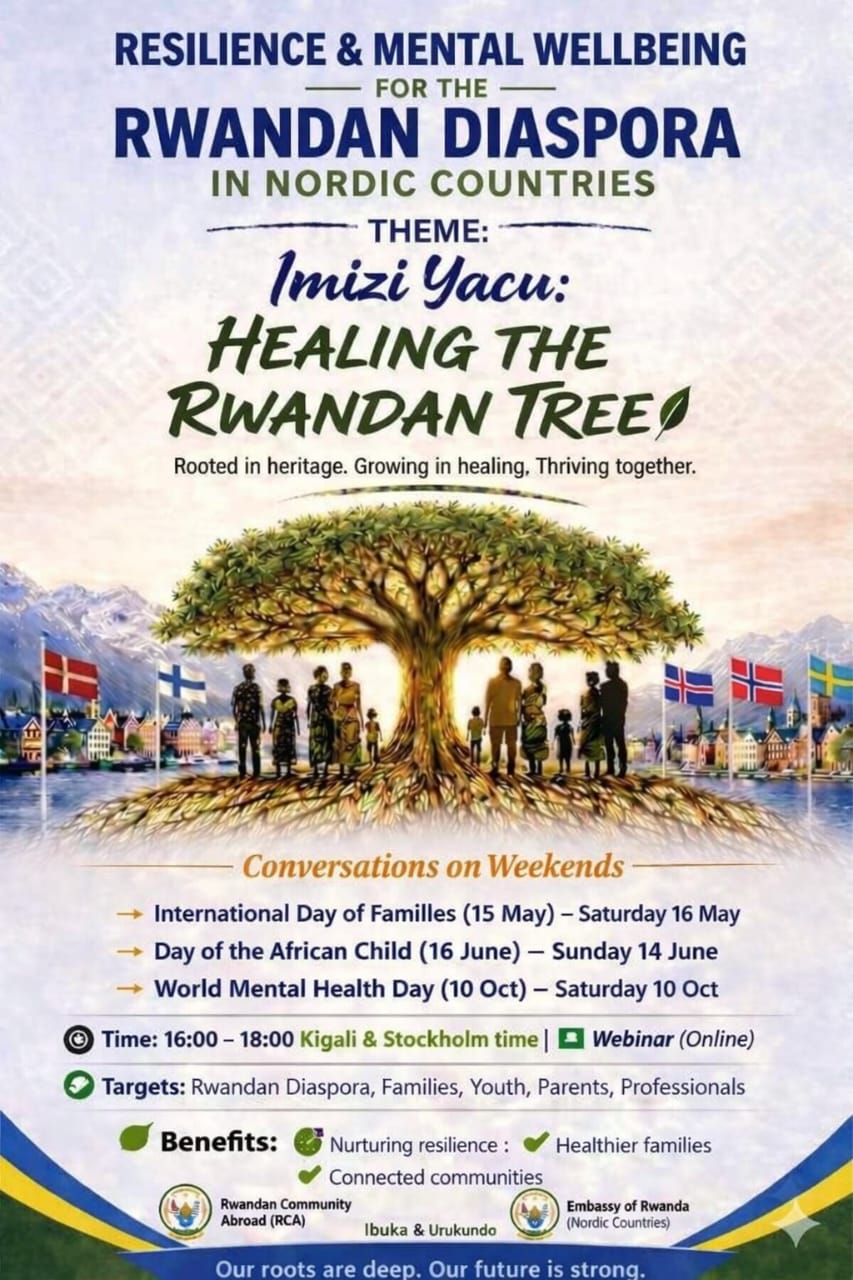
IMIZI YACU: Healing the Rwandan Family Tree Across the Nordic Countries
Embassy Visits Uppsala Centre for Holocaust and Genocide Studies, Exploring Pathways for Academic Collaboration

Seminar on Remembrance, Unity and Renewal Held at Umeå University
