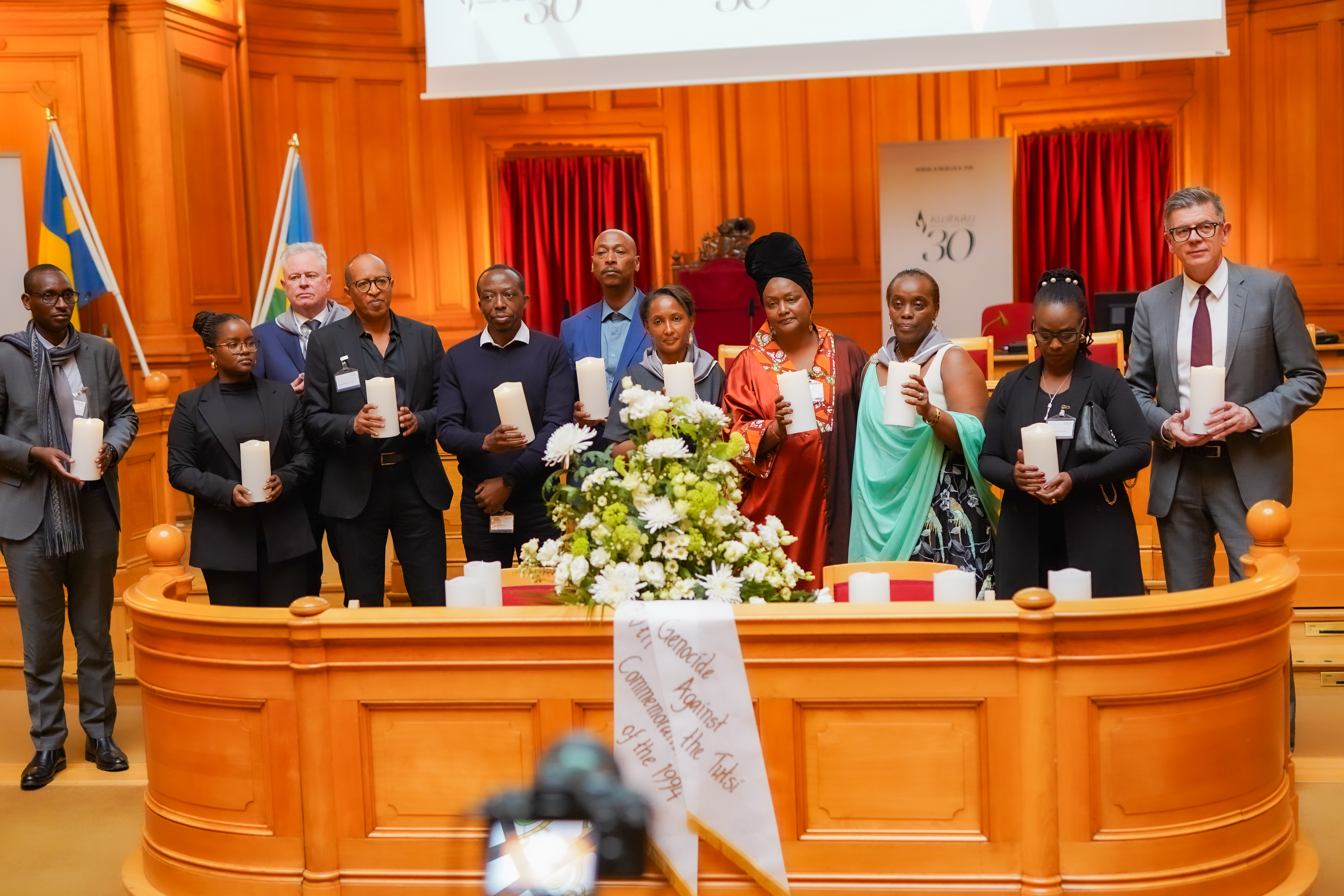
Kwibuka30 Commemorated in Swedish Parliament
On April 10, 2024, the Swedish Parliament resonated with solemn remembrance as 250 people
gathered to commemorate the 30th anniversary of the 1994 Genocide against the Tutsi in
Rwanda. This significant event, organized in collaboration with all Rwandans, highlighted the
importance of acknowledging and remembering the tragic events of 1994.
The day\s events commenced with a "Walk To Remember"; in Stockholm, orchestrated by the
IBUKA Association in Sweden, established in 2022. The walk, spearheaded by Rwandans and
friends of Rwanda, saw participation from the Equality Ombudsman of Sweden, Mr. Lars
Arrhenius. He shared his personal experiences of witnessing discrimination against Tutsis in
Karongi during his formative years.
The commemoration at the Swedish Parliament was graced by the presence of the Third
Deputy Speaker, Mrs. Kerstin Lundgren, and a representative from the Ministry of Foreign
Affairs, Mr. Dag Juhlin-Dannfelt. They expressed heartfelt condolences to the Rwandan
community and reaffirmed Sweden's unwavering commitment to its relationship with Rwanda,
pledging to strengthen ties further.
Among the attendees were members of the diplomatic corps in Sweden, parliamentarians, and
friends of Rwanda, all united in their resolve to remember and honor the victims of the genocide.
Ms. Josine Kanamugire, President of the IBUKA Association in Sweden, delivered a poignant
reminder to the audience about the global indifference that characterized the 1994 genocide
against the Tutsi. She emphasized the imperative nature of recognizing and confronting the
denial of these tragic events.
Survivor Ms. Francoise Moti bravely recounted her harrowing experiences during the genocide.
Her testimony served as a stark reminder of the atrocities faced by the Tutsi community and
underscored the ongoing violence against Tutsi in the DRC, urging attendees to take proactive
measures against these ongoing atrocities.
Academics from the University of Rwanda, Dr. Alice Karekezi Urusaro and Prof. Muleefu
Alphonse, alongside long-term Swedish resident Mr. Bushayija Eugene, shed light on the
planning of the 1994 genocide. They delved into the global ignorance surrounding the genocide,
the support for Habyarimana's regime, and the roles of various entities, including the FDLR, the
DRC government, and UN peacekeeping forces. They also highlighted the ongoing violence
against Kinyarwanda-speaking Congolese communities, emphasizing the need for international
awareness and action.
A particularly emotional moment came from the Dutch Ambassador to Sweden, H.E Bengt van
Loosdrecht, who publicly shared his experiences from visiting the Musunga, Katale, and
Kibumba camps in former Zaire post-genocide. He vividly described the control exerted by the
Interahamwe and their brutal actions, highlighting the world's knowledge of the genocide plan.
He mentioned the refugee camps were guarded by genocidaires, controlling all the interventions
and they were killing refugees every night. The main highlight is the well planed denial already
in 1994 by Interahamwe and former officials from the genocidaire government. pretending they
were victims and saying there was no genocide. He firmly affirmed that the genocide against the
Tutsi had been planned.
Ambassador Dr. Diane Gashumba conveyed her heartfelt condolences and lauded the strong
bond between Rwanda and Sweden. She expressed gratitude towards international
representatives for their active participation and acknowledged the unwavering support from
members of the Swedish Parliament, notably Hon Momodou Jallow Malcolm.
Ambassador Dr.Diane Gashumba highlighted the courageous voices of Romeo Dallaire,.
Former Swedish PM Ingvar CARLSSON, former UN Ambassador from Nigeria Ibrahim
Gambari, Ambassador from the Czech Republic Karel Kovanda, and Ambassador from New
Zealand, and RPF's North America Representative Claude Dusaidi who all bravely named the
genocide for what it was, but unfortunately, their warnings went unheard.
In her closing remarks, Ambassador Gashumba commended the courage of the speakers who
had bravely spoken the truth about the events of 1994. She criticized countries and media
outlets that distort history and deny the genocide, emphasizing the critical need for global
awareness and accountability. She also stressed the contradiction: Media not caring about the
1994 genocide against the Tutsi…not even for the sake of sharing the lessons with the rest of
world to avoid and instead asking for interviews about topics such as elections and stated that
every country has its own rules for elections and Ambassadors are not there to explain
themselves.
Ambassador Gashumba concluded by appreciating Sweden's respectful dialogue with Rwanda,
facilitating the exchange of accurate and meaningful information.
Topics

Harvesting Two Decades of Cooperation and Partnership: Rwanda and the Nordics

Sweden Launches New Development Cooperation Strategy for Rwanda 2026–2031
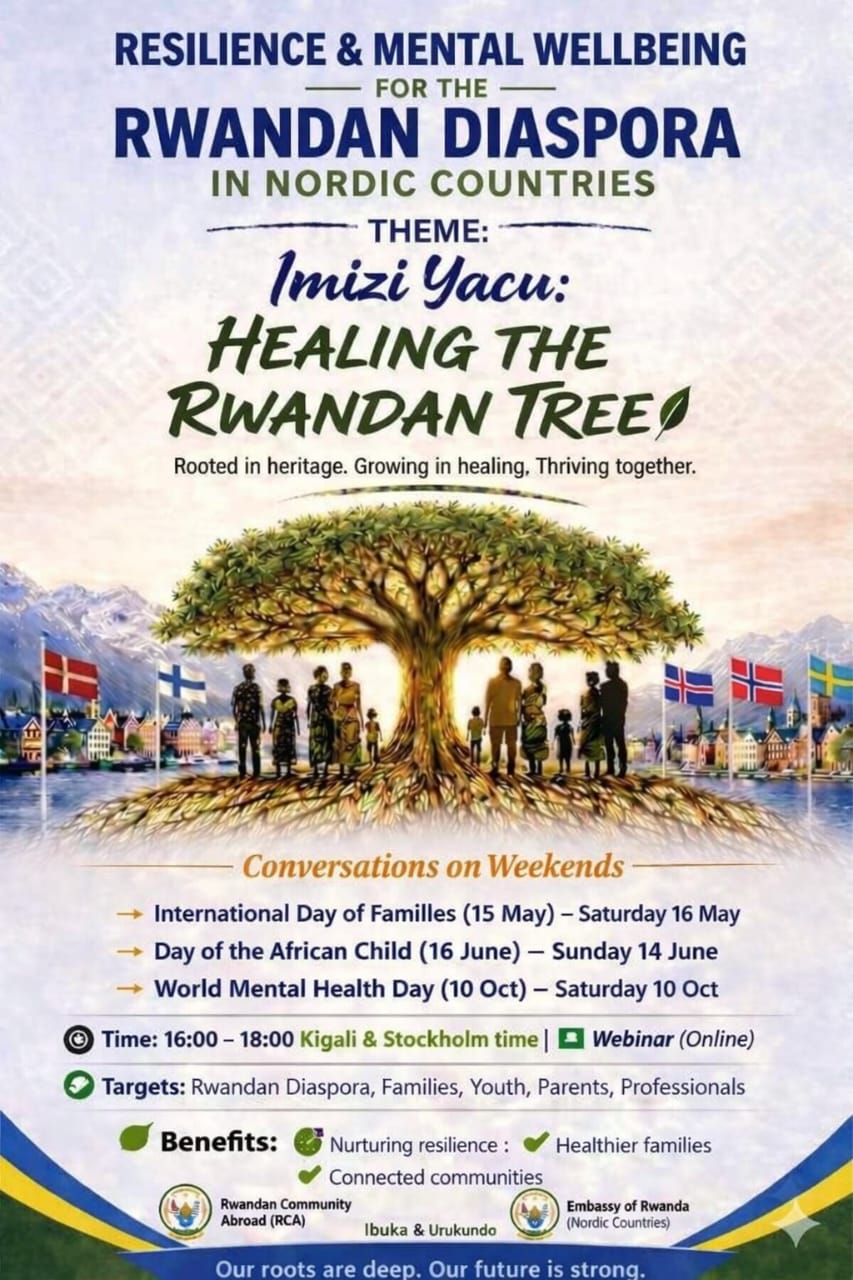
IMIZI YACU: Healing the Rwandan Family Tree Across the Nordic Countries
Embassy Visits Uppsala Centre for Holocaust and Genocide Studies, Exploring Pathways for Academic Collaboration

Seminar on Remembrance, Unity and Renewal Held at Umeå University
