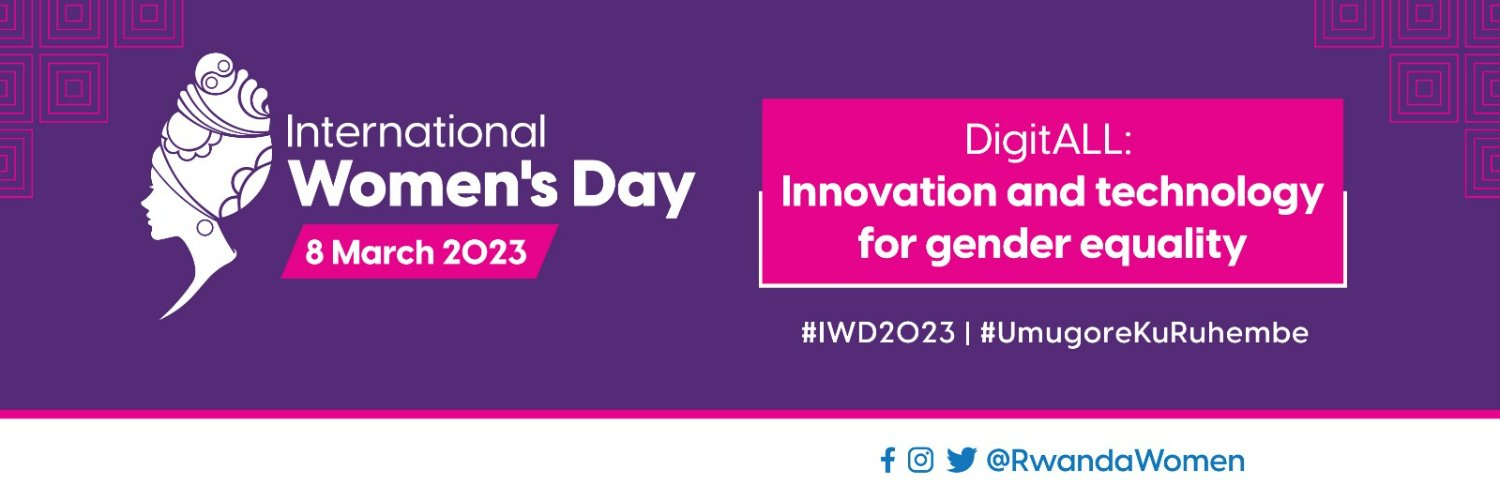
Rwanda – a global leader on women’s empowerment: using innovation and technology to lead the way for gender equality.
Happy Women’s Day from Rwanda in Sweden!
When it comes to gender equality, Rwanda and Sweden are countries that “talks the talk and walks the walk.” It took a gender sensitive leadership for Rwanda to become one of the best countries to live in as a woman. Thanks to President Kagame , a true HeforShe!
Rwanda has integrated gender equality as a way of life, and it is reflected in various aspects of social, economic, and political life and it has demonstrated its commitment to gender equality through laws, policies, and practices. The country has become a global leader in women's empowerment, with policies and initiatives that have transformed the lives of women and girls. According to the World Economic Forum's Global Gender Gap Report 2022, Rwanda ranks sixth out of 146 countries in terms of gender equality. In comparison, the Nordic countries – Sweden, Norway, Finland, Denmark, and Iceland – have been among the top 10 countries for many years. However, a stark difference with the Nordic countries is that Rwanda has made tremendous progress in a relatively short time.
The International Women's Day is celebrated enthusiastically in Rwanda every year on March 8th, as it provides an opportunity to highlight on the role of women in the development of the country, reflecting on their achievements and taking concrete action to remove the remaining barriers that women and girls face in their daily lives. This year's theme will acknowledge the significant strides made in using innovation and technology to advance the goal of gender quality.
Through legislation, Rwanda has implemented a range of laws and policies to advance gender equality. For instance, in 2008 Rwanda became the first country in the world to elect a majority-female parliament, with women now holding 64% of the seats. The country also passed a law in 2016 mandating that at least 30% of decision-making positions in the public sector be held by women. Today women’s holding decision making positions has become a culture: women in Rwanda believe in their capabilities and men do so. Additionally, Rwanda has implemented laws to protect women from gender-based violence and discrimination, including a law against domestic violence and a law criminalizing discrimination against women. These progressive measures were championed by the country’s President Paul Kagame, who placed gender equality at the center of Rwanda’s recovery following the 1994 Genocide Against the Tutsi.
When it comes to gender equality, Rwanda is a country that “talks the talk and walks the walk.”
Rwanda has also implemented gender-responsive budgeting, which ensures that government resources are allocated in a way that considers the different needs and priorities of women and men. This approach has been effective in promoting gender equality and reducing gender disparities in various sectors such as education, health, and agriculture.
Rwanda has also extensively used innovation and technology to advance gender equality. The country launched several IT-backed initiatives, such as the "Rwanda Health Information System" (RHIS), which aims to improve the collection and management of health data, particularly for women and children. This has helped to improve the quality of healthcare services and reduce maternal and child mortality rates. Another innovation is the use of drones to deliver medical supplies to remote areas, improving access to healthcare for women and children. The government also initiated the rapid sms to provide pregnant women with free text messages containing health information, reminders about appointments and alerting health facilities about a danger signs in the community during pregnancy. This has led to a significant increase in the number of women attending antenatal care visits, and a global record in reducing maternal mortality.
Education is another critical area where Rwanda has made significant progress in empowering women and girls. The country has made primary education free and compulsory, and girls' enrollment rates have improved significantly, with girls outnumbering and even outperforming boys in primary education. To achieve this the government established innovative programs to promote girl-child education, such as providing sanitary pads to schoolgirls and setting up boarding schools for girls from rural areas. The country has further launched a number of initiatives to increase access to information and communication technology (ICT) for women, including the "Girls in ICT" program, which aims to encourage girls to pursue careers in ICT and other STEM fields.
In addition, the Rwandan government has taken steps to promote women's economic empowerment especially within the private sector, often using innovation and technology to support women’s access to and control over economic resources. Women in Rwanda are involved in various economic activities, including agriculture, entrepreneurship, and other income-generating activities. The country has launched a number of initiatives to encourage women's entrepreneurship and increase their access to finance and business development services. For example, the "Rwanda Women's Entrepreneurship Development Program" provides training, mentoring, and access to finance for women entrepreneurs.
Following the 2006 land reform in Rwanda that was designed to address gender discrimination in relation to land distribution and land rights, Rwanda has further implemented a digital land administration system, which makes it easier for women to access and register land while ensuring a transparent and efficient process for registering land and issuing land titles, which helps to reduce corruption and improve the security of land tenure.
Rwanda implemented various policies and laws to promote gender equality in land ownership and inheritance. The Rwandan government enacted the Land Law, which recognizes the equal rights of women and men to own, inherit, and dispose of land. The law also prohibits discrimination based on gender, among other factors, in land access and ownership. In 2013, the Rwandan government passed the Succession Law, which grants women and men equal rights to inherit property from their parents. The law also recognizes the rights of widows to inherit their husband's property.
As the world celebrates International Women's Day, it's important to highlight the advancements being made in countries striving for gender equality and the innovation approaches being used to ensure faster and more wide-spread progress. Rwanda has made important strides using innovation, technology and legislation, allowing it to quickly climb the global rankings on gender equality, which were dominated by the Nordic countries for many ears.
Despite the similarities, Rwanda and the Nordic countries also have some differences in their approaches to promoting gender equality that can allow for additional sharing of knowledge and experiences. For instance, while the Nordic countries have made significant progress in closing the gender gap in traditional sectors, such as education and employment, Rwanda's focus on innovation and technology is helping to break new ground in this area. Rwanda's approach recognizes that innovation and technology can be a powerful tool for empowering women and creating new opportunities for them to participate in the economy and society.
In conclusion, as we celebrate International Women's Day and reflect on the theme of Innovation and Technology for gender equality, we should look to Rwanda's innovative approaches to promoting women's and girl’s rights and gender equality as a reminder that by working together and embracing innovation and technology, we can create a more equal and just world for all.
Happy Women's Day!
Topics

Harvesting Two Decades of Cooperation and Partnership: Rwanda and the Nordics

Sweden Launches New Development Cooperation Strategy for Rwanda 2026–2031
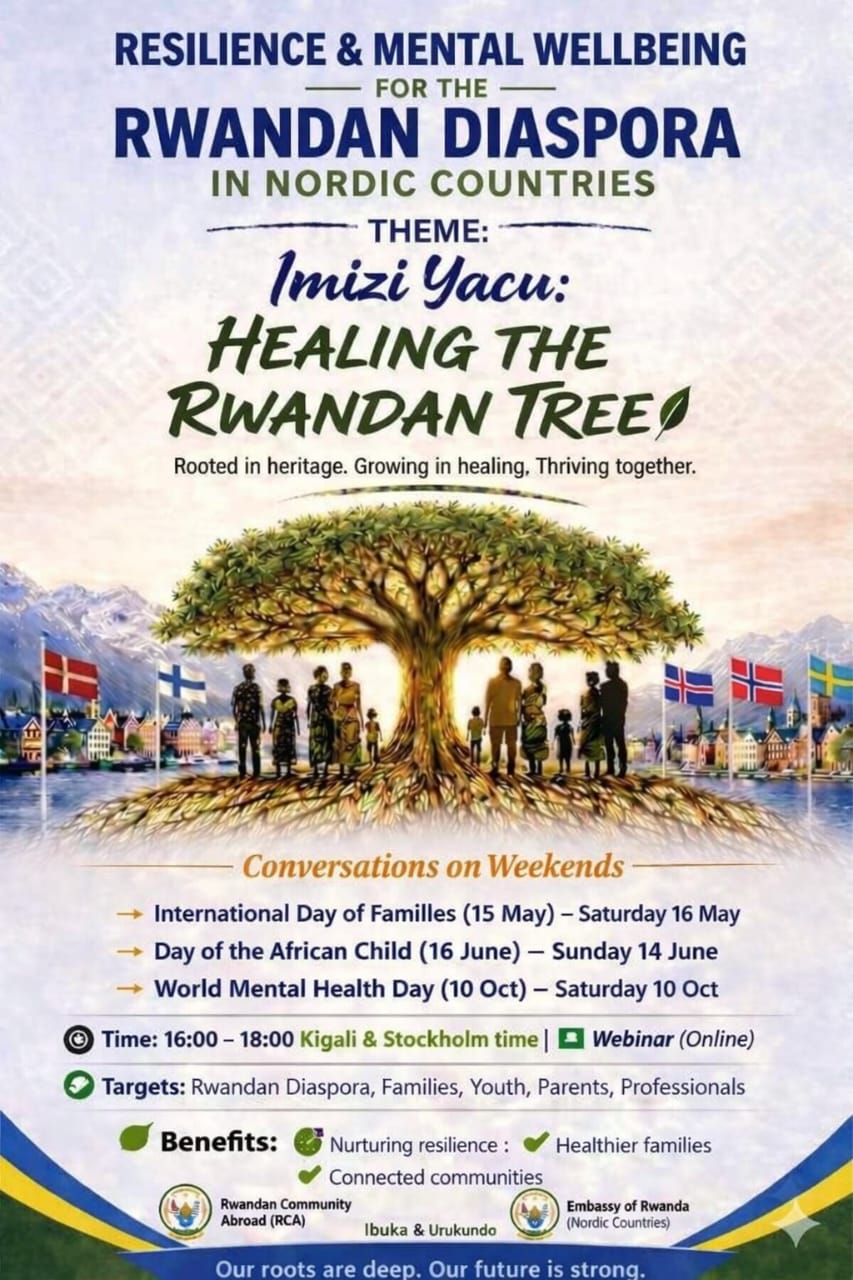
IMIZI YACU: Healing the Rwandan Family Tree Across the Nordic Countries
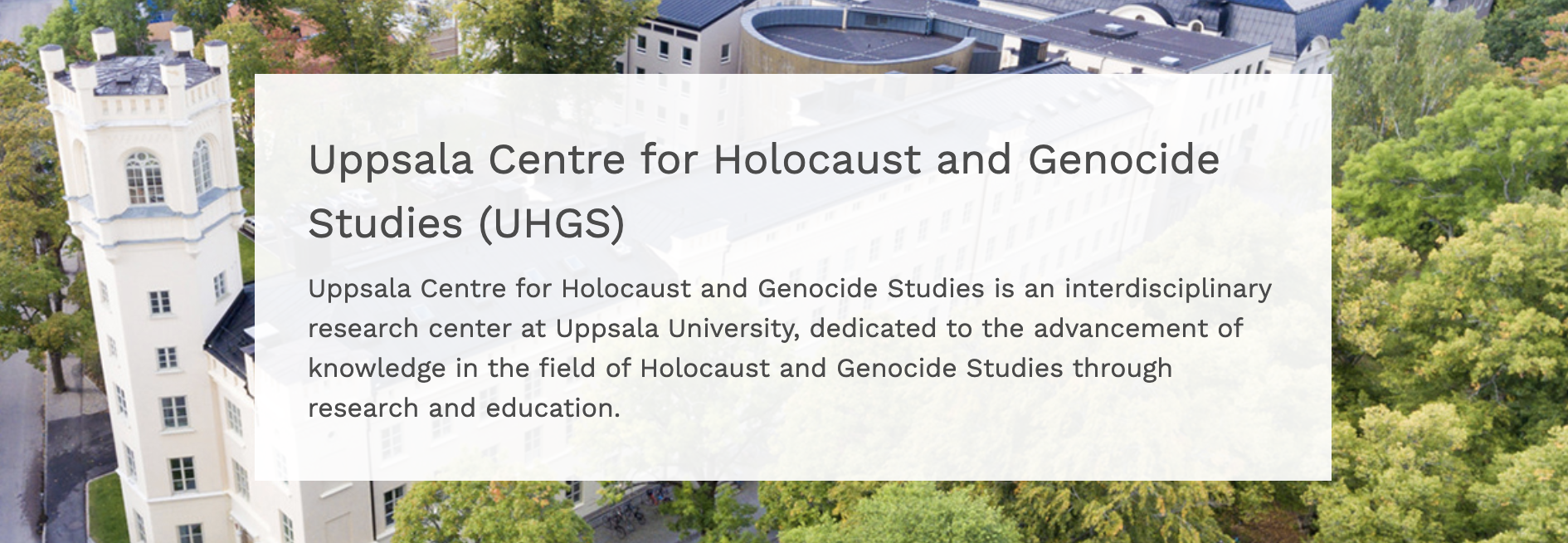
Embassy Visits Uppsala Centre for Holocaust and Genocide Studies, Exploring Pathways for Academic Collaboration

Seminar on Remembrance, Unity and Renewal Held at Umeå University
