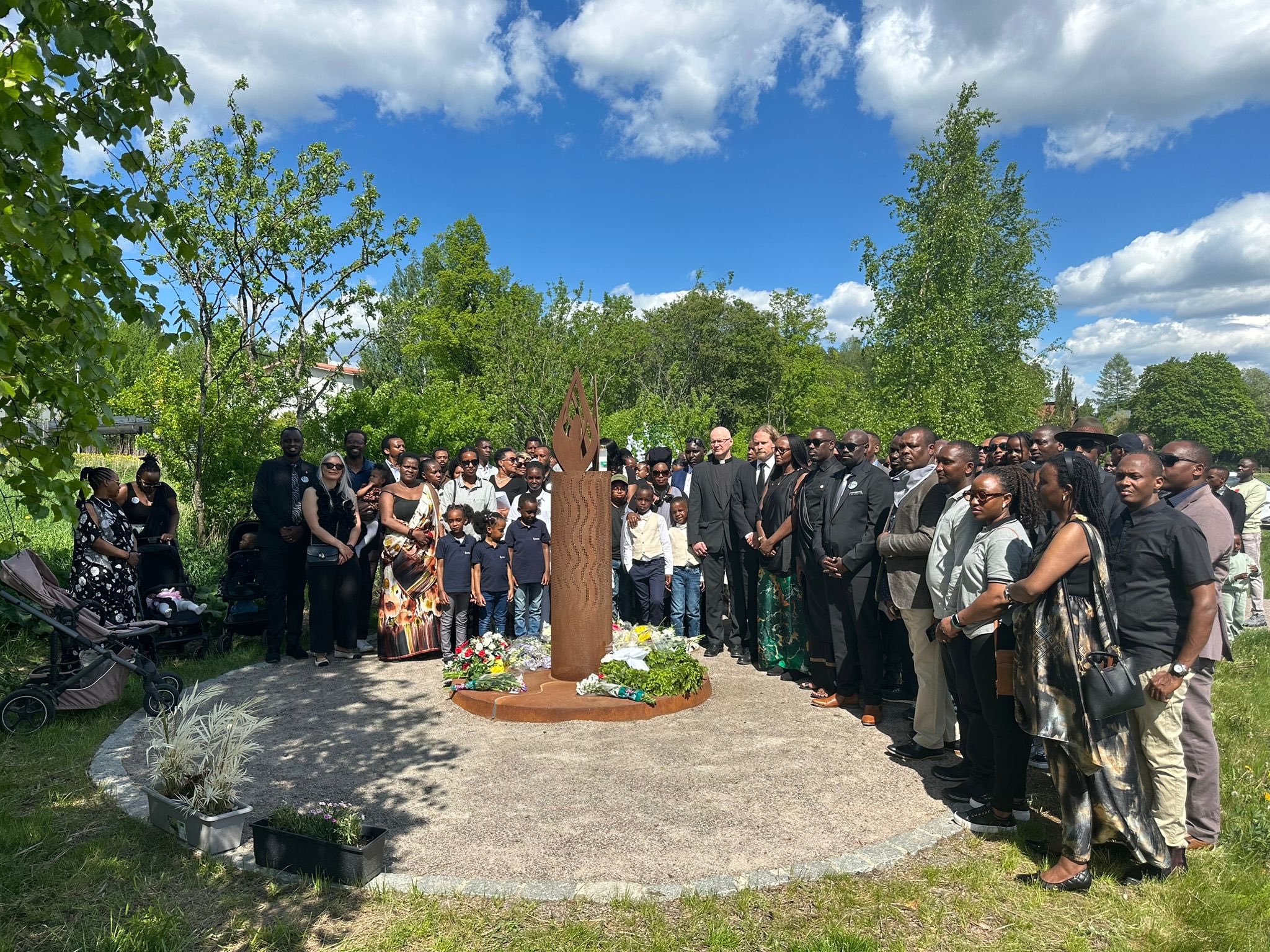
Seminar on Remembrance, Unity and Renewal Held at Umeå University
Seminar on Remembrance, Unity and Renewal Held at Umeå University
Ambassador Dr. Diane Gashumba, genocide survivor and co-author of “Rwanda: The Country That Was Reborn,” Josée Butera, members of the Rwandan Community in Sweden, and Sweden's Ombudsman against Discrimination, Lars Arrhenius, gathered at Umeå University for a Seminar on Remembrance, Unity, and Renewal, co-organized with the Umeå Association for International Affairs and the Umeå UN Association.
The seminar explored the themes of responsibility, remembrance, resilience, healing, and the fight against discrimination, reflecting on how societies can confront painful histories, rebuild communities, and work collectively toward a more just and hopeful future. Ambassador Gashumba, together with Lars Arrhenius and Josée Butera, stood in deep solidarity with the Rwandan community in Umeå, researchers, the Association for International Affairs, and the UN Association Sweden — Umeå, united in remembrance of the 1994 Genocide against the Tutsi.
Dr. Vincent Rusanganwa, a researcher at Umeå University, situated the genocide in its historical roots:
“The 1994 genocide against the Tutsi is an undeniable fact. It was a state-led, coordinated atrocity planned and rehearsed since 1959. These divisions were originally institutionalized by Belgian colonial powers and the Catholic Church, disrupting a historically united Rwandan population. Post-1959 governments weaponized these artificial ‘ethnic’ divides as the basis of politics, culminating in the 1994 genocide against Tutsi.”
Lars Arrhenius, the Swedish Ombudsman, spoke of a personal and lasting commitment:
“The discrimination against the Tutsi that I personally witnessed in Rwanda during the 1970s and that led up to the 1994 genocide against the Tutsi, the friends I lost during the 1994 Genocide against the Tutsi in Rwanda, and the letter I received from one of them before she was killed have changed my life. I wrote this book, ‘Lejonmyran,’ to honor their memory and to fulfill my responsibility to tell the truth, promote equal treatment, advocate for inclusion, and help prevent and combat any form of discrimination.”
Josée Butera, a survivor, reflected on what remembrance means:
“Remembrance is not only about looking back at the pain we endured, but also about honoring our beloved ones who were taken from us, not for anything they did, but simply because they were Tutsi. It is also about honoring RPF-Inkotanyi, our saviour who stopped the genocide against the Tutsi, and the government led by President Kagame that gave us the strength that allowed Rwanda to rise again with unity, dignity, and hope.”
Jonathan Bodén, Vice President of the Umeå Association for International Affairs, closed with a call to honour the truth:
“We gather here not only to remember, but to honor. To honor one million Tutsi who were killed during the 1994 genocide against the Tutsi in Rwanda, to honor the survivors who carry that weight every day, and to honor the truth. These innocent children, women, and men were systematically murdered in the span of just 100 days, while the world watched and was too slow to act. It is one of the gravest crimes against humanity in modern history. We gather here to remember them, because remembrance is in itself an act of resistance against forgetting.”
Topics

Harvesting Two Decades of Cooperation and Partnership: Rwanda and the Nordics

Sweden Launches New Development Cooperation Strategy for Rwanda 2026–2031
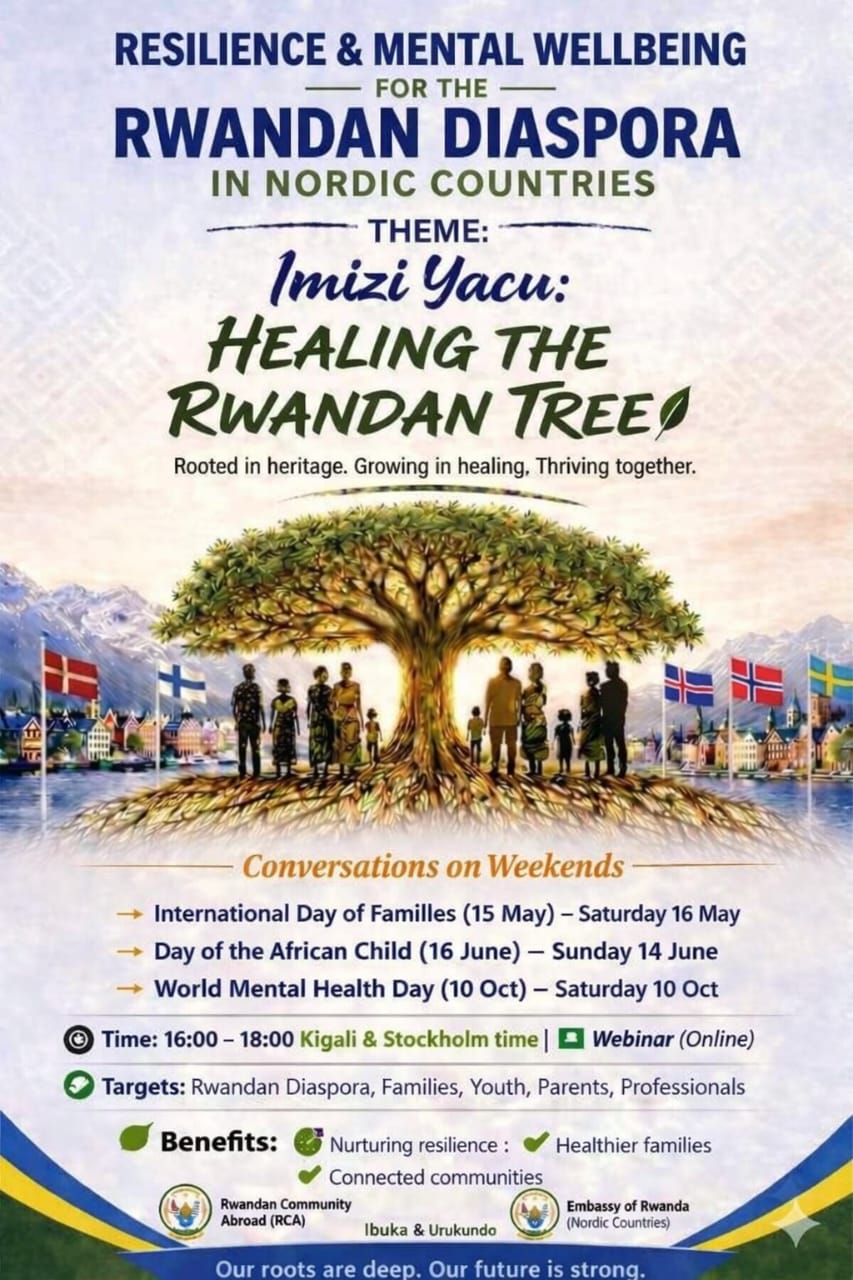
IMIZI YACU: Healing the Rwandan Family Tree Across the Nordic Countries
Embassy Visits Uppsala Centre for Holocaust and Genocide Studies, Exploring Pathways for Academic Collaboration

Stockholm Marks Africa Day 2026 with Landmark Two-Day Programme of Business and Culture