Sweden Launches New Development Cooperation Strategy for Rwanda 2026–2031
Sweden Launches New Development Cooperation Strategy for Rwanda 2026–2031
On 30 June 2026, the Swedish Government announced its new Strategy for Development Cooperation with Rwanda 2026–2031, published by the Ministry for Foreign Affairs. The strategy guides Sweden’s bilateral development cooperation with Rwanda over the next five years and reflects the depth and maturity of a long-standing partnership between the two countries.
The strategy acknowledges Rwanda’s strong track record: one of the highest growth rates in the region, a clear national ownership of its development agenda, and an ambitious vision to achieve upper-middle-income status by 2035 and high-income status by 2050, as set out in Rwanda’s National Strategy for Transformation II. It further recognises Rwanda as a regional hub for trade, investment, and start-ups, with a strong investment climate supported by low levels of corruption. Swedish companies are identified as bringing particular value in the sectors of transport, digitalisation, telecommunications, and health.
Sida, the Swedish International Development Cooperation Agency, has been allocated approximately SEK 120 million per year for activities under the strategy. The funding will be directed toward three priority areas.
Improved Livelihoods through Digitalisation
Rwanda’s ambitious digital transformation agenda — including the expansion of digital infrastructure in rural areas — is seen as a key driver of economic growth, improved public services, and greater participation in the digital economy. Swedish support will contribute to skills development, ICT training, and the building of secure and trusted digital infrastructure, with collaboration with Swedish expertise and the private sector actively encouraged.
Strengthened Democratic Development and Human Rights
The strategy recognises Rwanda’s commitment to national unity, security, and reconciliation as a foundation for long-term stability and development. Swedish support will focus on strengthening freedom of expression, expanding civic space, and supporting Rwanda’s reconciliation process, including initiatives that uphold the rights of women, girls, as well as sexual and reproductive health and rights.
Accelerated Green Transition for Sustainable Growth
Rwanda is already pursuing an ambitious climate reform agenda, and Sweden’s support will seek to accelerate the green transition by improving access to sustainable energy solutions, strengthening the business and investment climate, and boosting the role of the private sector in the transition. Women and youth are identified as priority target groups, alongside efforts to promote regional trade and market access.
The strategy is designed to deliver sustainable, long-term results that endure beyond the life of each intervention, with Rwanda retaining full ownership of its development trajectory. It also reflects Sweden’s broader foreign policy interests: Rwanda is a longstanding partner in multilateral forums, an influential actor on the African continent, and a significant contributor to African Union and UN peace and security operations.
The Embassy of Rwanda to the Nordic Countries welcomes the renewed commitment of Sweden to this partnership and looks forward to the continued collaboration that this strategy makes possible across trade, investment, health, digitalisation, and beyond.
Topics

Harvesting Two Decades of Cooperation and Partnership: Rwanda and the Nordics
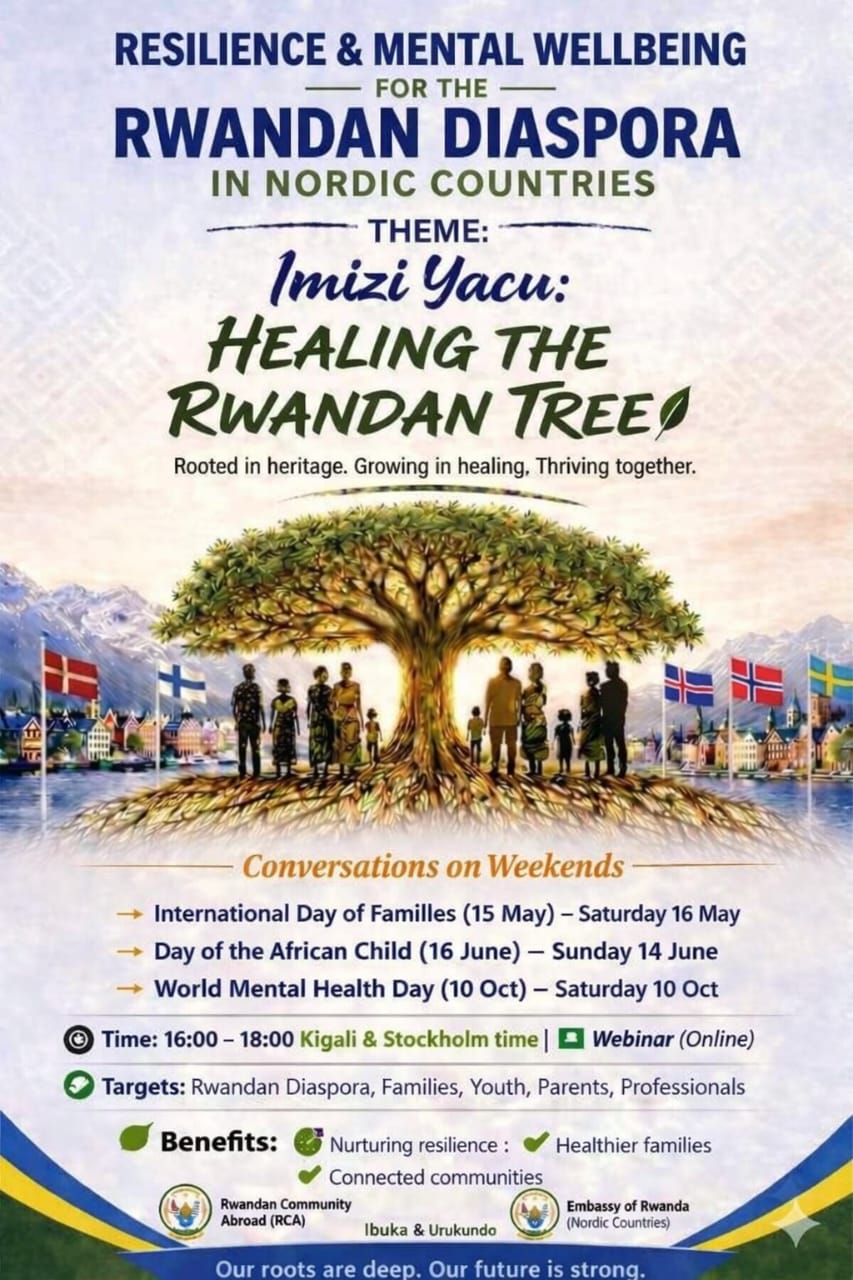
IMIZI YACU: Healing the Rwandan Family Tree Across the Nordic Countries
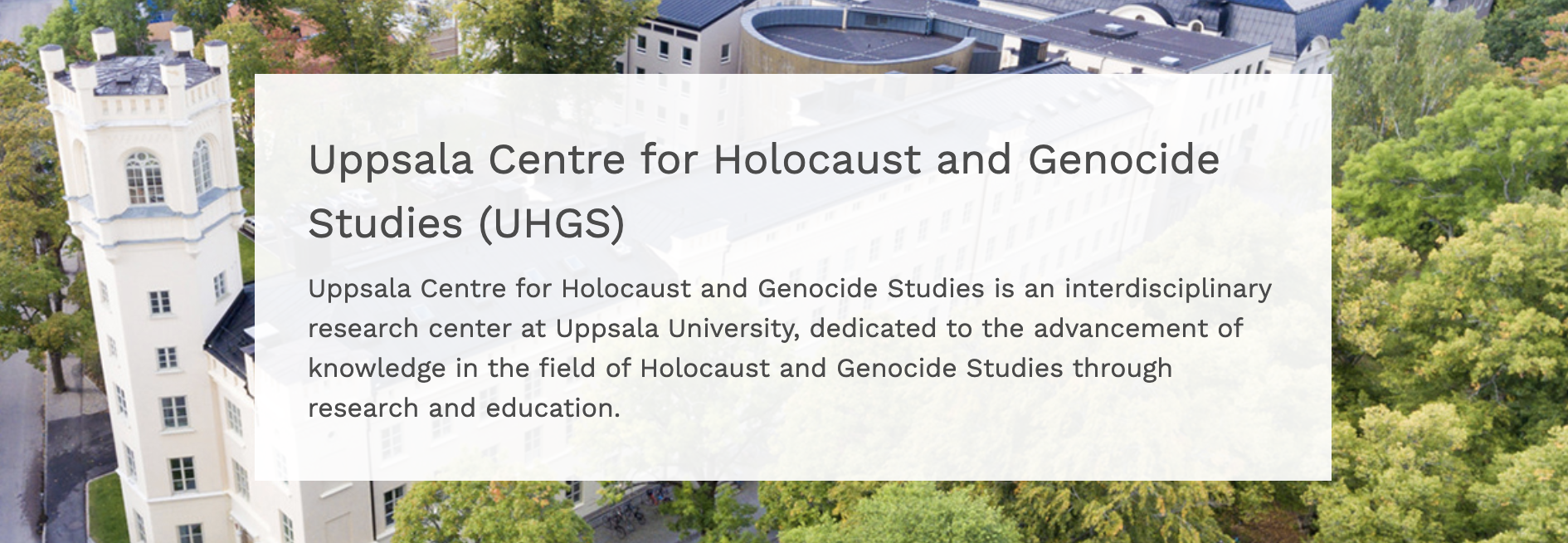
Embassy Visits Uppsala Centre for Holocaust and Genocide Studies, Exploring Pathways for Academic Collaboration

Seminar on Remembrance, Unity and Renewal Held at Umeå University

Stockholm Marks Africa Day 2026 with Landmark Two-Day Programme of Business and Culture